Play Store Sentiment Analysis
Project Overview
This project focuses on analyzing user sentiment and review patterns from the Google Play Store dataset. The goal is to derive actionable insights about app performance, user satisfaction, and sentiment polarity using Natural Language Processing (NLP) and data visualization techniques.
Key Insights
- User Sentiment Analysis:
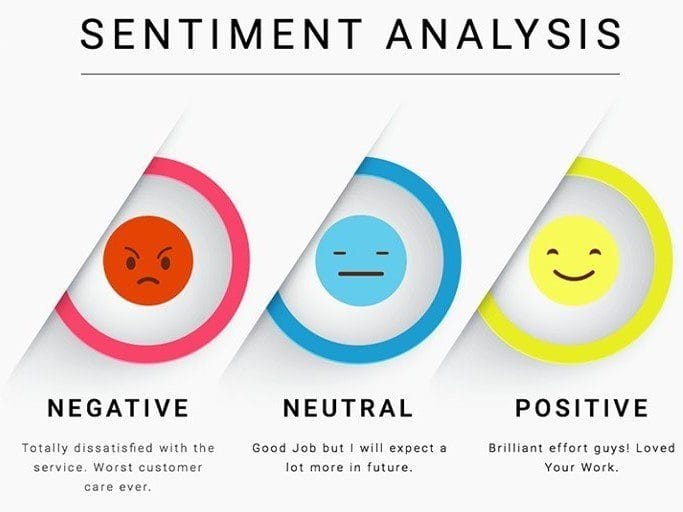
- Classified reviews into Positive, Neutral, and Negative sentiments
- Visualized the distribution of sentiment across app categories
- Identified keywords frequently used in negative reviews
- App Performance Metrics:
- Correlated sentiment polarity with app ratings and installation count
- Analyzed the impact of update frequency on user feedback
- Detected underperforming apps with high negative sentiment and low ratings
- Textual Pattern Extraction:
- Used word clouds and N-gram analysis to identify trends
- Extracted common themes in positive vs negative reviews
- Highlighted frequent complaint areas such as bugs, crashes, and ads
Technical Implementation
This project was implemented using Python and NLP techniques for text classification and visualization:
- Performed text preprocessing (stopword removal, tokenization, lemmatization)
- Applied TF-IDF vectorization to convert reviews into numerical features
- Trained a Logistic Regression classifier to detect sentiment
- Used matplotlib and seaborn for sentiment distribution and trend visualization
- Generated word clouds for sentiment-specific keyword exploration
Technical Challenges Solved
Key technical obstacles and solutions in this project include:
- Cleaning noisy review data with emojis, symbols, and mixed languages
- Balancing the sentiment class distribution to prevent model bias
- Optimizing text vectorization for high-dimensional input
- Handling incomplete and duplicate reviews effectively
- Integrating meaningful visual storytelling into the analysis dashboard
Results & Recommendations
Based on the sentiment analysis, the following outcomes and strategies are proposed:
- Prioritize fixing bugs and crashes frequently mentioned in negative reviews
- Enhance user engagement by responding to low-rated feedback promptly
- Promote apps with consistently positive sentiment to improve visibility
- Monitor app updates' effect on sentiment shift over time
- Leverage user sentiment trends for feature planning and UX improvements